Trezor Model One vs Ledger Flex
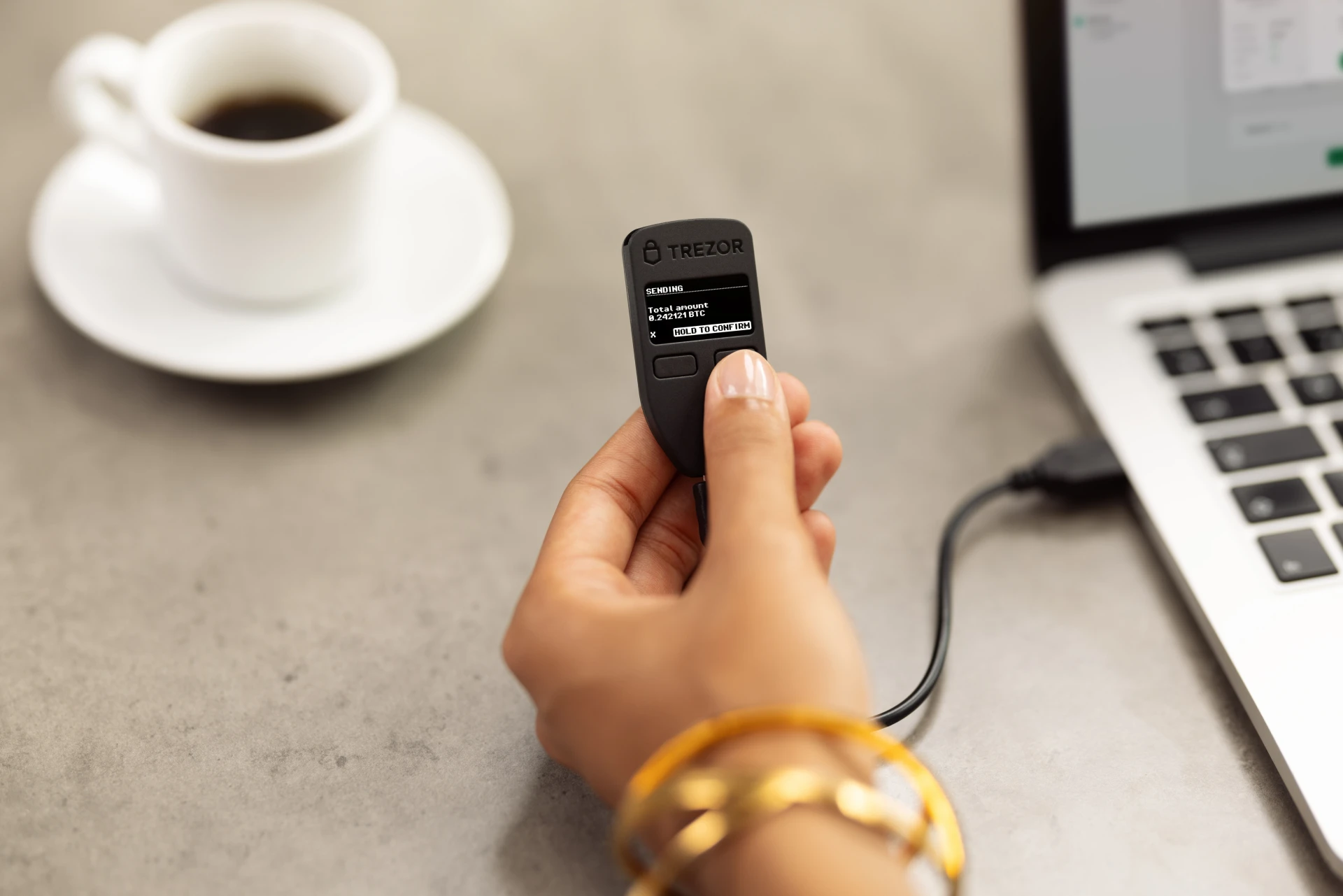
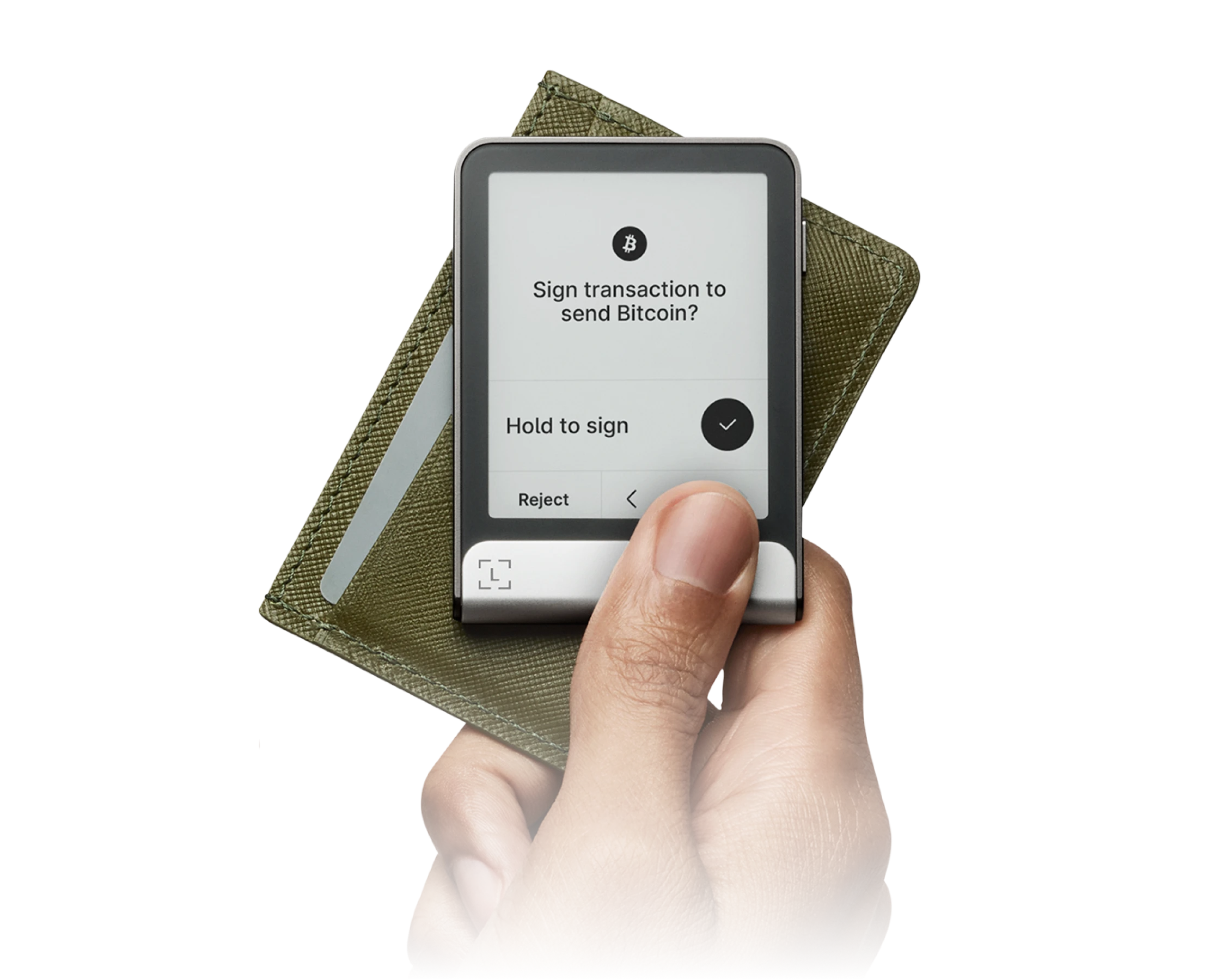
Our Take
Not financial adviceThe Trezor Model One is the superior choice for most investors because it supports 1,800+ coins and tokens at a price of $0.0. This extensive asset support ensures you can manage a diverse portfolio on a single hardware wallet. In contrast, the Ledger Flex supports 0 coins in its specification sheet, making the Trezor Model One the only viable option for securing active cryptocurrency assets without spending extra capital.
The Ledger Flex serves as a niche alternative for users who prioritize the Ledger brand ecosystem despite its current specification of 0 coins supported. At a price of $0.0, it matches the Trezor Model One on cost but lacks the functional utility required for multi-asset storage. Choose this model only if you plan to integrate it into a specialized, single-purpose setup that does not require standard coin support.
Security
Both wallets lack listed security features in the provided data.
Asset Support
Trezor Model One
Supports 1,800+ coins and tokens compared to 0 coins for the Ledger Flex.
Price
Both wallets cost $0.0 in the provided specifications.
Usability
Trezor Model One
The Trezor Model One supports 1,800+ assets, making it usable for actual transactions.
Check pricing directly from official stores:
At a Glance
How each wallet scores across key dimensions. Each axis is rated out of 5.
Ratings & Specs
Highlighted cell = stronger result on that metric.
Key Security Features
Trezor Model One
- PIN protection with scrambled matrix
- BIP-39 Passphrase support for hidden wallets
- 100% Open-source hardware and firmware
- Physical two-button transaction verification
- Deterministic key generation (BIP-32/39/44)
Ledger Flex
- CC EAL6+ Certified Secure Element
- BOLOS Operating System Architecture
- Full On-Screen Clear Signing Verification
- PIN Code Protection with Anti-Tamper Wiping
- Cryptographic Genuine Device Attestation
Pros & Cons
Trezor Model One
Pros
- •Affordable entry-level price point
- •100% open-source firmware and hardware architecture
- •Over 10 years of proven real-world security track record
- •Seamless integration with Trezor Suite desktop and web app
- •Physical two-button confirmation prevents unauthorized transactions
Cons
- •Uses outdated Micro-USB connector instead of USB-C
- •No Secure Element chip (passphrase strongly required against physical attacks)
- •Missing native support for major blockchains like Solana, Cardano, and XRP
- •Scrambled on-screen PIN entry is less convenient than touchscreen models
- •Trezor Safe 3 offers vastly superior hardware for only $10 more
Ledger Flex
Pros
- •Clear, high-contrast 2.84-inch E-Ink touchscreen display
- •Certified CC EAL6+ Secure Element protection
- •Bluetooth 5.2 and NFC connectivity for mobile flexibility
- •Always-on customizable lock screen with weeks of battery standby
- •Ergonomic aluminum and polycarbonate build
Cons
- •No wireless Qi charging (charges via USB-C)
- •Firmware is partially closed-source due to Secure Element supplier NDAs
Frequently Asked Questions
Which is better for beginners?
Which is more secure?
Which supports more cryptocurrencies?
Is the price difference worth it?
Related Comparisons
Explore how Trezor Model One and Ledger Flex compare against other top hardware and software wallets.