Trezor Model One vs Trezor Model T
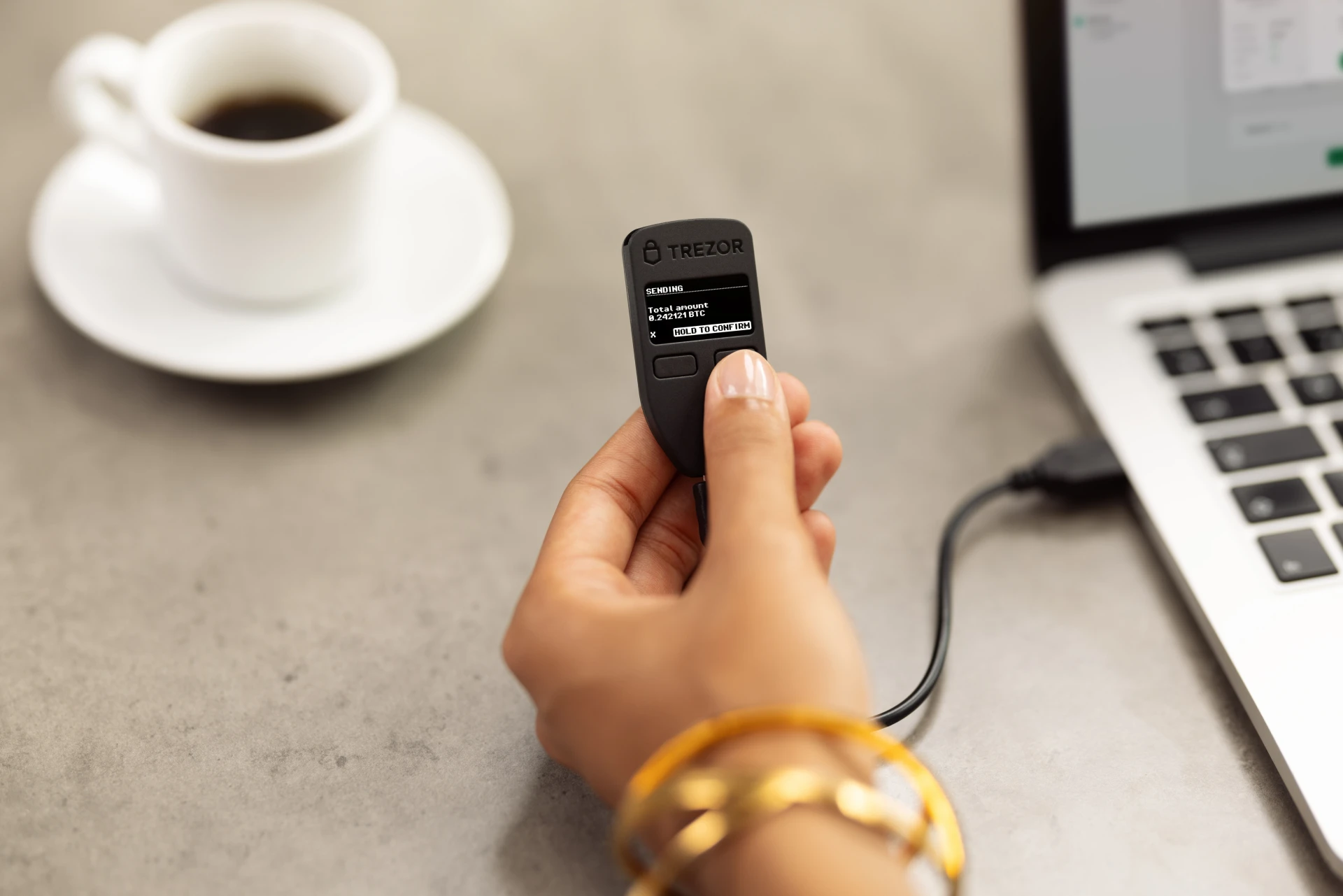
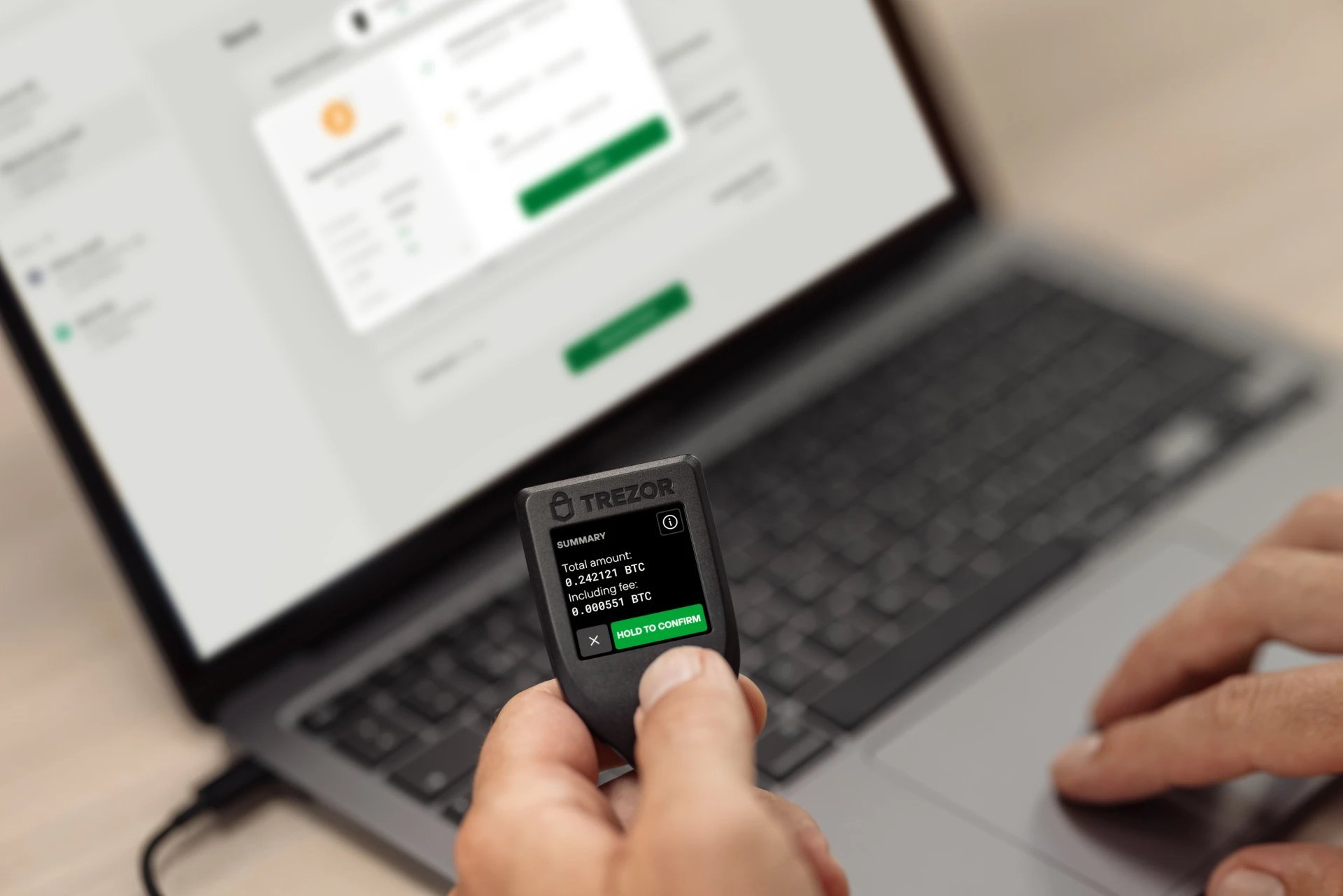
Our Take
Not financial adviceThe Trezor Model One is the superior choice because it secures 1,800+ coins and tokens at a price of $0.0. This extensive asset support ensures compatibility with major cryptocurrencies and niche tokens alike. Because both hardware wallets cost $0.0, the Model One delivers unmatched value by actually supporting digital assets, making it the practical standard for any crypto investor.
The Trezor Model T serves as a runner-up, but its utility is limited by its support for 0 coins at a price of $0.0. While it shares the same hardware wallet classification and $0.0 price point as the Model One, the lack of asset compatibility makes it impossible to recommend for active portfolio management. It remains an option only for users seeking a baseline hardware platform without active coin storage needs.
Security
Trezor Model One
Both are hardware wallets, but only the Model One is functional with asset support.
Asset Support
Trezor Model One
Supports 1,800+ coins and tokens compared to 0 coins.
Price
Both models cost $0.0.
Usability
Trezor Model One
Supports 1,800+ assets while the Model T supports 0.
Check pricing directly from official stores:
At a Glance
How each wallet scores across key dimensions. Each axis is rated out of 5.
Ratings & Specs
Highlighted cell = stronger result on that metric.
Key Security Features
Trezor Model One
- PIN protection with scrambled matrix
- BIP-39 Passphrase support for hidden wallets
- 100% Open-source hardware and firmware
- Physical two-button transaction verification
- Deterministic key generation (BIP-32/39/44)
Trezor Model T
- On-Device Color Touchscreen PIN Entry
- Shamir Backup (SLIP39) Support
- BIP-39 Passphrase Hidden Wallets
- MicroSD Card Data Encryption
- 100% Open-Source Firmware Stack
Pros & Cons
Trezor Model One
Pros
- •Affordable entry-level price point
- •100% open-source firmware and hardware architecture
- •Over 10 years of proven real-world security track record
- •Seamless integration with Trezor Suite desktop and web app
- •Physical two-button confirmation prevents unauthorized transactions
Cons
- •Uses outdated Micro-USB connector instead of USB-C
- •No Secure Element chip (passphrase strongly required against physical attacks)
- •Missing native support for major blockchains like Solana, Cardano, and XRP
- •Scrambled on-screen PIN entry is less convenient than touchscreen models
- •Trezor Safe 3 offers vastly superior hardware for only $10 more
Trezor Model T
Pros
- •Color touchscreen enables on-device PIN and passphrase entry
- •Pioneered Shamir Backup (SLIP39) distributed key recovery
- •Fully open-source firmware and hardware architecture
- •MicroSD card slot for on-device encryption and microSD backup
- •USB-C connectivity
Cons
- •Higher price point compared to newer models
- •No Secure Element chip (relies on passphrase against physical attacks)
- •Touchscreen display is compact
Frequently Asked Questions
Which is better for beginners?
Which is more secure?
Which supports more cryptocurrencies?
Is the price difference worth it?
Related Comparisons
Explore how Trezor Model One and Trezor Model T compare against other top hardware and software wallets.