Ledger Flex vs Bitkey
At a Glance
How each wallet scores across key dimensions. Each axis is rated out of 5.
Ratings & Specs
4.7
Overall Rating
4.5
4.9 / 5
Security Rating
4.7 / 5
Hardware
Wallet Type
Hardware
Over 5,500 coins and tokens across 100+ blockchains via Ledger Live.
Assets Supported
Bitcoin (BTC) only.
Highlighted cell = stronger result on that metric.
Key Security Features
Ledger Flex
- CC EAL6+ Certified Secure Element
- BOLOS Operating System Architecture
- Full On-Screen Clear Signing Verification
- PIN Code Protection with Anti-Tamper Wiping
- Cryptographic Genuine Device Attestation
Bitkey
- 2-of-3 Multi-Signature Security
- Biometric Fingerprint Authentication
- Encrypted NFC Communication
- Cloud & Social Recovery Mechanisms
- Isolated Secure Enclave Hardware
Pros & Cons
Ledger Flex
Pros
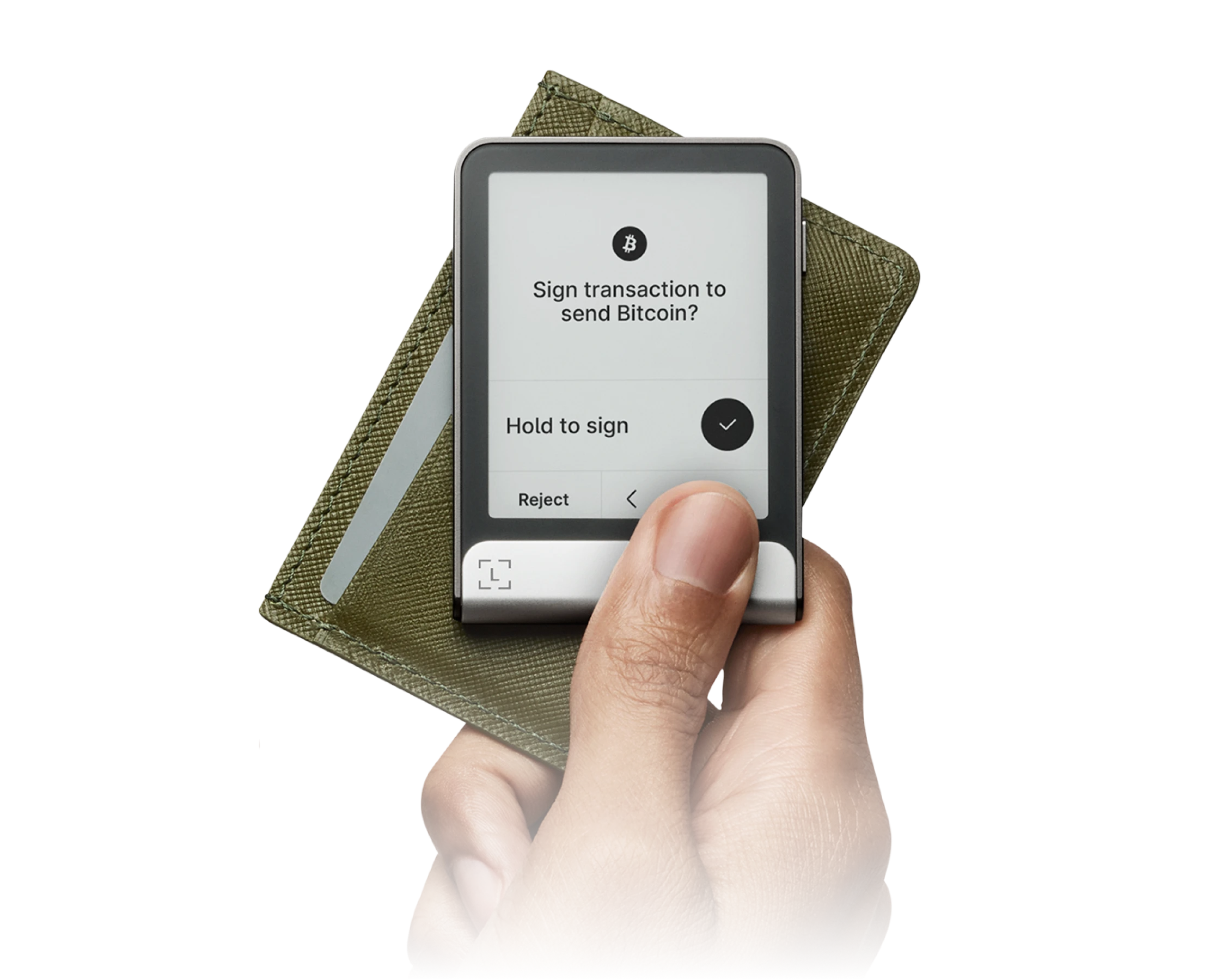
- •Clear, high-contrast 2.84-inch E-Ink touchscreen display
- •Certified CC EAL6+ Secure Element protection
- •Bluetooth 5.2 and NFC connectivity for mobile flexibility
- •Always-on customizable lock screen with weeks of battery standby
- •Ergonomic aluminum and polycarbonate build
Cons
- •No wireless Qi charging (charges via USB-C)
- •Firmware is partially closed-source due to Secure Element supplier NDAs
Bitkey
Pros
- •2-of-3 multisig architecture eliminates seed phrase vulnerability
- •Biometric fingerprint sensor for fast transaction confirmation
- •Seamless NFC communication with your mobile phone
- •Simple, user-friendly recovery process involving cloud and trusted contacts
- •Direct integration with Cash App and Coinbase
Cons
- •Bitcoin only (no altcoins, tokens, or smart contract support)
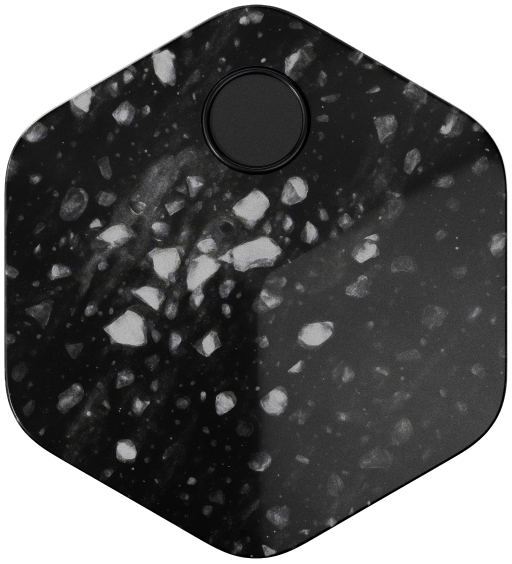
- •No screen on the physical hardware device
- •Requires reliance on Block's recovery server for one of the three keys
Related Comparisons
Explore how Ledger Flex and Bitkey compare against other top hardware and software wallets.